Welcome to Qingdao ACES
- All
- Product Name
- Product Keyword
- Product Model
- Product Summary
- Product Description
- Multi Field Search
Please Choose Your Language


Stainless steel prototyping parts with hobbing represent a pinnacle of precision engineering and innovative manufacturing. Leveraging the exceptional properties of stainless steel and the specialized hobbing technique, these prototype parts are designed to meet the diverse and exacting requirements of various industries. Whether it's for automotive, aerospace, machinery, or other high-precision applications, our parts offer a unique combination of durability, accuracy, and functionality.
| Quantity: | |
|---|---|


Material Excellence: Stainless Steel
Corrosion Resistance
Stainless steel, with its inherent chromium content, forms a passive oxide layer that provides excellent protection against corrosion. Our prototyping parts made from stainless steel grades like 304, 316, or 420 can withstand exposure to moisture, chemicals, and harsh environmental conditions. In industriessuch as marine, food processing, and medical, where corrosion resistance is crucial, our parts ensure long-term reliability and performance.
Despite its corrosion resistance, stainless steel also offers remarkable strength and toughness. This allows our prototyping parts to endure heavy loads, mechanical stresses, and impacts without deformation or failure. In automotive and aerospace applications, where components need to perform under extreme conditions, the strength of stainless steel provides the necessary structural integrity.
Stainless steel is known for its hygienic properties, making it an ideal material for parts used in food and medical industries. Its smooth surface is easy to clean and resistant to bacterial growth. Additionally, the sleek and modern appearance of stainless steel adds an aesthetic appeal to the parts, making them suitable for applications where visual presentation matters.
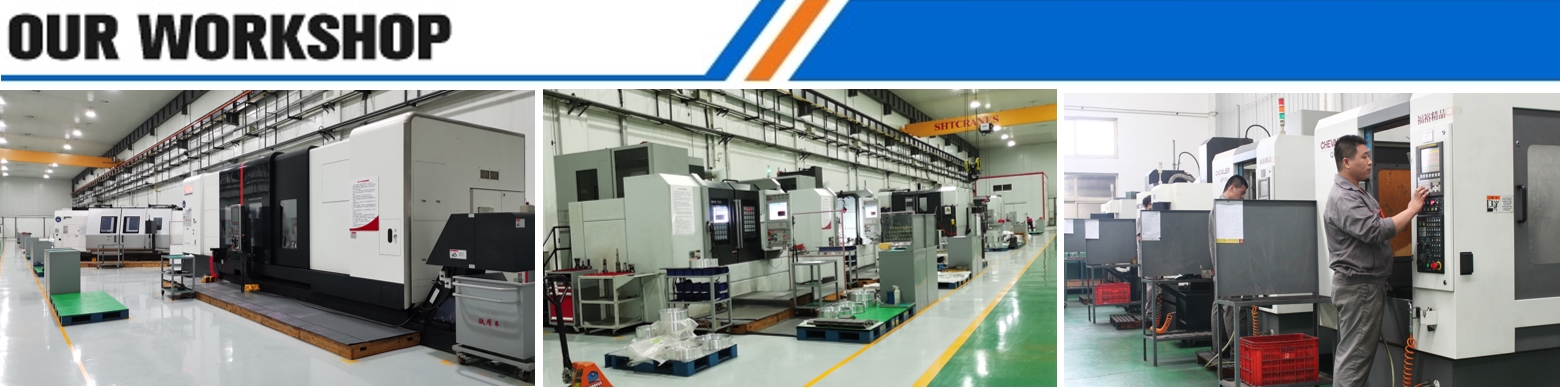
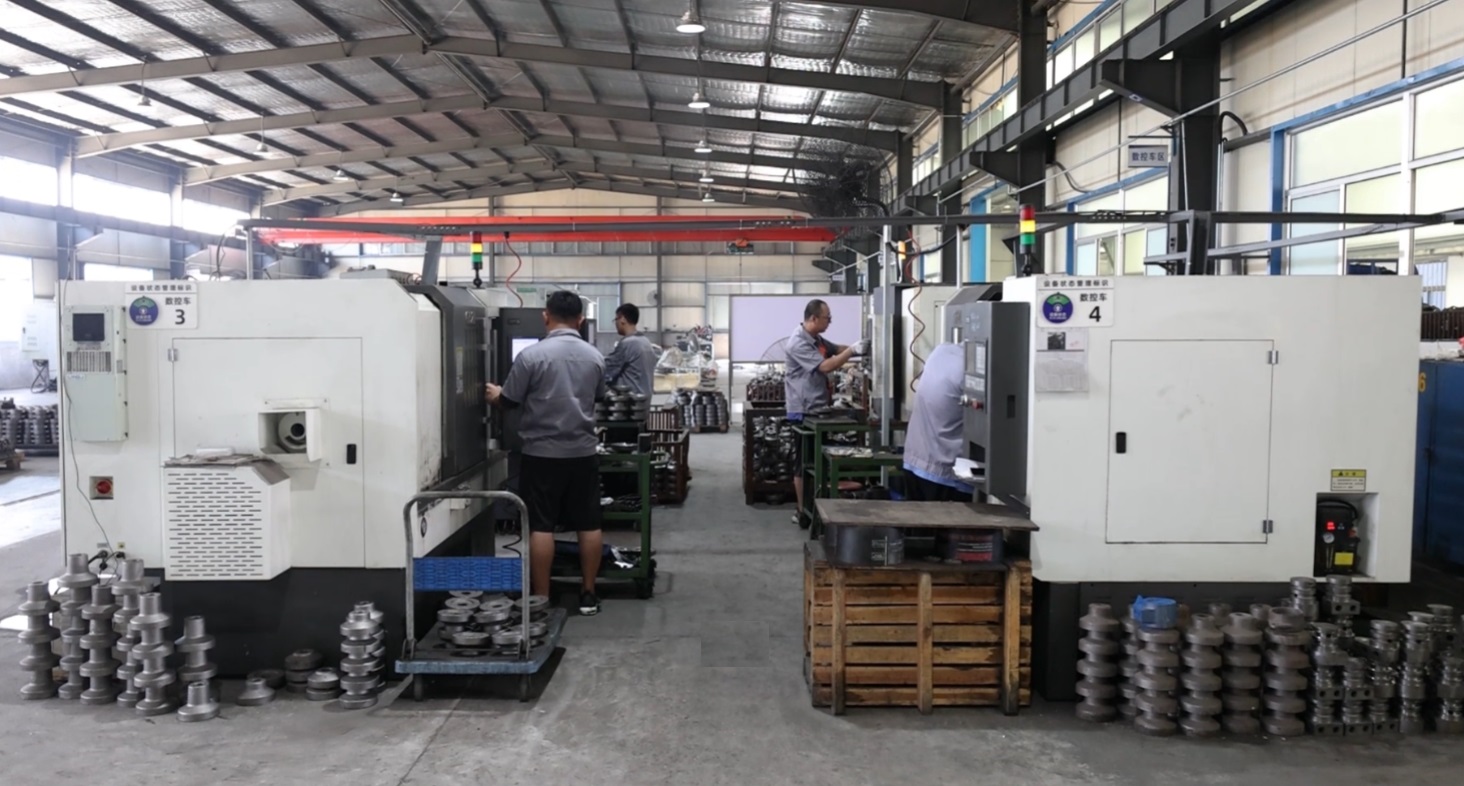
Hobbing is a specialized machining process that enables the production of complex gear and spline profiles with high precision. Our state-of-the-art hobbing machines, operated by skilled technicians, can create gears and splines with accurate tooth profiles, pitch diameters, and helix angles. This precision is essential for ensuring smooth operation, reduced noise, and increased efficiency in mechanical systems.
The hobbing process offers great versatility in designing gears and splines. We can produce parts with different tooth counts, module sizes, and tooth shapes to meet the specific requirements of our customers. Whether it's a standard gear or a custom-designed spline, our hobbing technique allows for the creation of parts that fit seamlessly into your mechanical assemblies.
Hobbing is a highly efficient machining process, especially for producing multiple parts with the same gear or spline profile. Our automated hobbing machines can quickly and accurately produce parts in large quantities, reducing production time and costs. This makes our Stainless Steel Prototyping Parts with Hobbing a cost-effective solution for both small-scale prototyping and large-scale production runs.
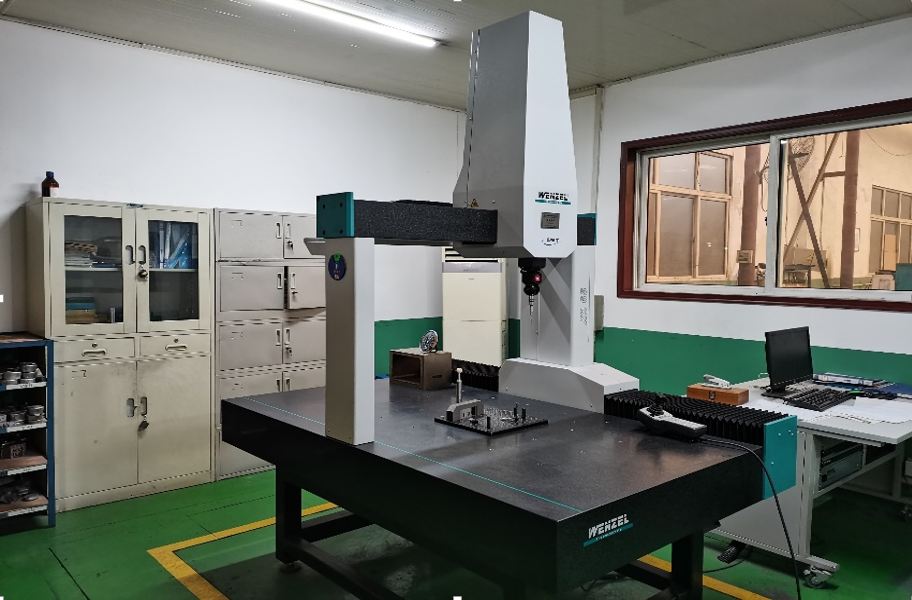
We have implemented a comprehensive quality control system to ensure the quality of our Stainless Steel Prototyping Parts with Hobbing. Every part undergoes rigorous inspection at various stages of production, including raw material inspection, in-process inspection, and final inspection. Our quality control team uses advanced measuring instruments, such as coordinate measuring machines (CMMs) and gear testers, to verify the dimensional accuracy, tooth profile, and other critical parameters of the parts.
We are committed to continuous improvement in our manufacturing processes and quality management systems. Our team of engineers and technicians regularly reviews and optimizes the hobbing process to ensure the highest level of precision and quality. We also stay updated with the latest advancements in stainless steel materials and machining techniques to provide our customers with the best possible products.
Our Stainless Steel Prototyping Parts with Hobbing are widely used in a variety of industries, including automotive, aerospace, machinery, robotics, and power transmission. They are used in components such as gears, splines, shafts, and couplings, where precision and durability are essential.
Q1: What is the difference between hobbing and other gear manufacturing processes?
A: Hobbing is a continuous cutting process that uses a hob (a rotating cutting tool) to generate gear teeth. It is highly efficient for producing gears with complex profiles and is suitable for both small-scale and large-scale production. Other gear manufacturing processes, such as shaping and broaching, have different characteristics and are more suitable for specific types of gears or production volumes.
Q2: Can you produce custom-designed gears and splines with hobbing?
A: Yes, we have the expertise and capabilities to produce custom-designed gears and splines with hobbing. Our engineering team will work closely with you to understand your design requirements and develop a hobbing solution that meets your specific needs. We can produce gears and splines with different tooth counts, module sizes, tooth shapes, and helix angles.
Q3: What is the lead time for producing Stainless Steel Prototyping Parts with Hobbing?
A: The lead time for producing our Stainless Steel Prototyping Parts with Hobbing depends on the complexity of the parts, the quantity required, and our current production schedule. Generally, we can provide a lead time estimate based on your specific requirements during the quotation process. We strive to minimize the lead time without compromising on the quality of the parts.
Q4: What types of stainless steel grades do you use for prototyping parts with hobbing?
A: We commonly use stainless steel grades such as 304, 316, and 420 for our prototyping parts with hobbing. However, we can also work with other stainless steel grades depending on the specific requirements of your application. Our engineering team will recommend the most suitable stainless steel grade based on factors such as corrosion resistance, strength, and machinability.


