Welcome to Qingdao ACES
- All
- Product Name
- Product Keyword
- Product Model
- Product Summary
- Product Description
- Multi Field Search
Please Choose Your Language


Views: 0 Author: Site Editor Publish Time: 2026-06-11 Origin: Site


Committing to a manufacturing material requires locking in specific tooling designs. You also face significant capital expenditure and long-term production cycles. These commercial stakes make your initial alloy selection critical. Both processes yield high-volume, complex metal parts. However, choosing the wrong alloy often causes premature die wear. You might face excessive secondary machining costs or component failures in harsh environments. This article provides an objective, engineering-first framework. We evaluate Aluminum Die Casting against Zinc Die Casting based on mechanical requirements and design constraints. You will learn how thermal properties affect cycle times. We also explore why upfront raw material prices rarely reflect the final cost per part.
Aluminum Die Casting is the industry standard for lightweight, high-operating-temperature applications, though it requires higher upfront tooling replacement costs.
Zinc Die Casting delivers superior precision, thinner walls, and substantially longer tool life, but results in a significantly heavier final part.
Material selection should not be based on raw material cost alone; tooling amortization, cycle times, and secondary finishing (like electroplating) often dictate the most cost-effective path.
We must first understand how melting points dictate the manufacturing process. The physical properties of your chosen metal shape everything from machinery to production speed. Engineers cannot treat these materials interchangeably.
Aluminum requires a highly specific manufacturing environment due to its elevated melting point. It liquefies around 660°C. At this temperature, molten aluminum aggressively attacks the steel pumping mechanisms found inside casting machines. Manufacturers solve this by using a "cold chamber" process. Operators or robotic ladles transport the molten metal from a separate holding furnace into the shot sleeve. A plunger then forces it into the mold. This extra transfer step inherently slows down the production cycle.
Zinc behaves completely differently. It melts at a much lower temperature, typically around 420°C. This lower thermal threshold allows manufacturers to use a "hot chamber" process. The injection mechanism remains permanently submerged in the molten metal bath. It acts like a fast-cycling pump. The machine injects metal directly into the die without any external transfer. This eliminates ladle times and drastically accelerates the injection cycle.
You must also consider the direct correlation between melting temperatures and die degradation. The extreme heat of molten aluminum introduces severe thermal fatigue. The steel mold expands rapidly during injection and contracts quickly during the cooling phase. This continuous thermal shock eventually causes microscopic cracks on the die surface. Engineers call this "heat checking." Zinc operates at much lower temperatures, which dramatically reduces thermal shock and preserves the die steel.
This comparison assumes you are planning for high-volume production. We typically define this as 10,000 units or more annually. At these quantities, tooling amortization becomes a primary pricing factor. If you only need 500 parts, CNC machining or investment casting might serve you better. In high-volume scenarios, the cost of replacing worn-out molds heavily influences your project budget. Every cycle counts, and minor inefficiencies compound rapidly over large production runs.
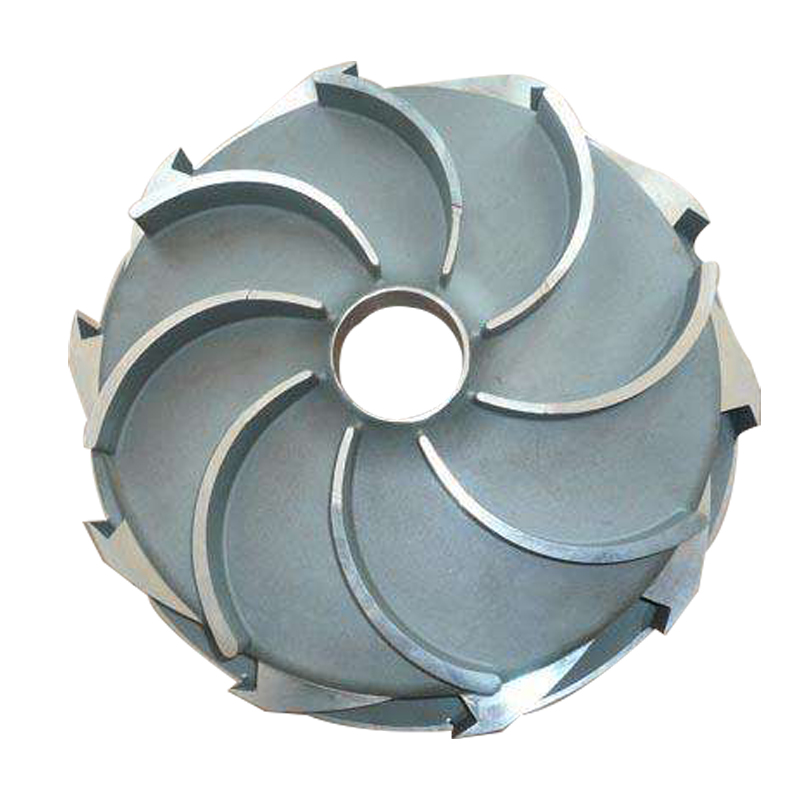
Engineers consistently turn to aluminum when projects demand rugged performance at minimal weight. It dominates industries where every ounce matters.
The superior strength-to-weight ratio stands out as aluminum's greatest benefit. Automotive manufacturers rely on it to reduce vehicle weight. Aerospace engineers use it for structural brackets. Portable electronics require durable frames without adding unnecessary bulk.
Aluminum also offers excellent thermal and electrical conductivity. This makes it ideal for heat sinks, LED lighting fixtures, and telecom enclosures. The material pulls heat away from sensitive electronic components efficiently. Furthermore, aluminum maintains high dimensional stability at elevated operating temperatures. It will not creep or deform easily when exposed to continuous heat.
Despite its performance benefits, aluminum brings notable production constraints. You must account for slower cycle times compared to zinc. The cold chamber ladling process simply takes longer. The material also requires longer cooling periods inside the mold before ejection.
Tooling lifespan represents a major commercial limitation. Dies typically require replacement or major maintenance after 100,000 to 150,000 shots. The intense thermal shock breaks down the mold cavities. If your part requires strict aesthetic standards, heat checking on the mold surface will eventually transfer onto your parts. You must then pay for mold polishing or entire cavity replacements.
Finally, aluminum shows a higher susceptibility to casting porosity. Gas can become trapped during the turbulent injection process. Shrinkage occurs as the metal cools. You need strict Design for Manufacturing (DFM) controls. Engineers must design proper gating, venting, and overflow channels to ensure structural integrity.
When you prioritize tight tolerances, complex geometries, and flawless surface finishes, Zinc Alloy Die Casting often provides the best solution.
Zinc delivers exceptional casting precision. It allows manufacturers to cast near-net shapes straight out of the mold. You can frequently achieve tolerances as tight as ±0.001 inches. This extraordinary precision often eliminates the need for secondary CNC machining. You can cast internal threads, tiny gears, and complex mating surfaces directly.
The material also provides superior ductility and impact strength. Specific alloys, like Zamak 3 or ZA-8, absorb energy better than many cast aluminums. They bend before they break. Additionally, zinc flows like water when molten. This extreme fluidity allows you to cast extremely thin walls without sacrificing structural integrity. You can achieve wall thicknesses down to 0.015 inches in small components.
Hot chamber machines yield rapid cycle times. You can often achieve double or triple the hourly output compared to cold chamber processes. This speed significantly reduces machine hourly rates per part.
Extended tooling life drastically lowers long-term capitalization costs. Molds often exceed 1,000,000 shots before requiring major maintenance. The lower operating temperature protects the H13 tool steel. Over a multi-year product run, avoiding three or four expensive tooling replacements saves immense capital.
Zinc also acts as a perfect canvas for aesthetic and protective surface treatments. It accepts electroplating flawlessly. You can easily apply bright chrome, nickel, or gold finishes. It also accommodates painting, powder coating, and chromating with excellent adhesion.
The primary drawback lies in its density. Zinc is significantly heavier than aluminum. It weighs roughly 2.5 times as much by volume. If your product requires lightweight portability, zinc will likely fail the design requirements. It also features lower operating temperature thresholds. Prolonged exposure to temperatures above 100°C can cause the material properties to degrade.
Choosing between these metals requires a holistic view of your production journey. We evaluate three distinct areas where assumptions often derail budgets.
Many procurement teams fall into the trap of only comparing material commodity prices. Aluminum generally costs less per pound. Because aluminum is lighter, a single pound yields more parts. Based strictly on the raw material index, aluminum looks vastly cheaper.
However, this ignores the manufacturing reality. Zinc’s faster cycle times reduce machine time costs. The ability to cast complex features eliminates expensive secondary machining. Most importantly, minimal tooling replacement offsets the heavier weight over a multi-year product run. A heavy zinc part often costs less as a finished assembly because it bypassed the CNC department and saved $50,000 in replacement molds.
Surface finishing requirements often dictate material selection. Premium consumer goods frequently require flawless chrome or gold plating. Think of luxury bathroom hardware, guitar components, or high-end cosmetic cases. Zinc is preferable for these applications. The smooth, non-porous surface accepts copper-nickel-chrome plating easily and economically.
Aluminum standard finishing routes focus heavily on anodizing, powder coating, or wet painting. While you can electroplate aluminum, the process proves notoriously difficult. It requires aggressive chemical pre-treatments to remove the natural oxide layer. This adds significant cost and environmental compliance hurdles. If you need a bright chrome finish, stick to zinc.
Weight constraints create hard boundaries for material selection. Establish the threshold early in your design phase. If the product is handheld, mobile, or airborne, aluminum is usually mandatory. A tablet frame or a drone chassis cannot absorb the weight penalty of zinc.
Conversely, weight sometimes implies premium quality. Luxury door hardware, high-end audio equipment, and professional tools often benefit from a heavier feel. If weight signals quality to your customer, or if weight simply isn't a factor, zinc becomes highly competitive.
Feature / Metric | Aluminum Alloy | Zinc Alloy |
|---|---|---|
Process Type | Cold Chamber | Hot Chamber |
Melting Point | ~660°C | ~420°C |
Typical Tool Life | 100,000 - 150,000 shots | 1,000,000+ shots |
Cycle Speed | Moderate | Very Fast |
Electroplating Ease | Difficult / Expensive | Excellent |
Weight (Density) | Low (Lightweight) | High (Heavy) |
Even after selecting the right material, engineering missteps can inflate production costs. Watch out for these common implementation risks during your design phase.
Draft angles allow parts to eject smoothly from the steel mold. Aluminum tends to stick to the mold cavity as it shrinks. It requires larger draft angles, typically between 1 to 2 degrees per side. If your design requires strictly parallel walls for a mating component, this draft angle creates a problem. You will likely need secondary machining to remove the draft.
Zinc flows better and shrinks less aggressively. You can often specify draft angles as low as 0.5 degrees. In some shallow features, you can achieve near-zero draft. Recognizing this difference prevents tolerance failures during assembly.
Engineers often specify aluminum out of habit. They design a part with high-precision geometries, tiny blind holes, and complex gear teeth. Because aluminum cannot always hold these extreme tolerances as-cast, the engineering team adds extensive CNC post-machining operations to the routing.
This creates an expensive trap. You pay for the casting process, and then you pay for the machining process. Often, a Zinc Alloy Die Casting could achieve the exact tolerance straight out of the mold. The heavy metal penalty gets completely erased by the elimination of a $4 CNC milling operation.
Cast parts rarely exist in isolation. They mate with steel screws, copper wires, and brass fittings. When dissimilar metals touch in the presence of an electrolyte like humidity or saltwater, galvanic corrosion occurs.
Zinc acts as a highly active anodic metal. It will sacrifice itself and corrode rapidly when paired with noble metals. Aluminum also suffers from galvanic attacks. You must specify appropriate barrier coatings. Consider chromate conversion coatings, anodizing, or non-conductive gasket materials. Failing to isolate these metals leads to disastrous field failures.
You need clear criteria to make a final decision. Review your product requirements against these distinct shortlisting rules before requesting quotes.
Your part must survive continuous operating temperatures above 200°C.
The assembly requires minimum weight for portability, fuel efficiency, or ergonomic constraints.
The component serves as a structural automotive or aerospace element requiring a high strength-to-weight ratio.
The design requires excellent heat dissipation for electronic enclosures.
Your annual production volume is extremely high, demanding rapid cycle times.
The part features intricate internal geometries, tiny text, or ultra-thin walls.
Your product demands a premium, flawless electroplated finish like bright chrome.
Weight is not a constraint, or a heavier feel adds perceived value to the product.
Do not finalize your CAD models in isolation. We strongly recommend engaging a manufacturing partner for a formal DFM review before freezing the design. Minor adjustments to wall thicknesses, coring, or draft angles can dramatically switch the economic viability from one material to the other. A skilled casting engineer will identify tolerance traps early.
Choosing the ideal casting material directly influences your product's market success. It remains an exercise in balancing upfront tooling capitalization, cycle efficiency, and physical constraints.
Match your material to your thermal and weight requirements first. Never compromise structural integrity for cycle speed.
Calculate your tooling replacement schedules aggressively. High-volume runs heavily favor materials that preserve mold steel.
Analyze your secondary operations. Eliminating CNC machining often offsets raw material price premiums completely.
Prioritize finishing needs early. Electroplating demands specific substrate characteristics to remain economically viable.
Encourage your engineering team to submit current 3D models and production volume forecasts to a qualified casting partner. Request an unbiased lifecycle expense analysis to reveal the true financial impact of your alloy selection.
A: Aluminum is cheaper by raw volume and weight. However, zinc often proves cheaper per finished part at high production volumes. This happens because zinc extends tool life exponentially, cycles much faster, and frequently eliminates the need for secondary CNC machining.
A: Yes, you can electroplate aluminum, but it is notoriously difficult and expensive. The metal naturally forms an oxide layer that resists plating. It requires harsh chemical pre-treatments. If your primary goal is a bright chrome finish, zinc provides a far easier and more cost-effective base.
A: Aluminum molds endure severe thermal shock, typically lasting around 100,000 to 150,000 shots before requiring major maintenance or replacement. Zinc molds operate at much lower temperatures, allowing tools to comfortably exceed 1,000,000 shots without significant degradation.
A: Zinc stands out as the better choice for complex, thin-walled geometries. It features significantly higher fluidity at casting temperatures compared to aluminum. This allows the metal to fill intricate mold details and achieve wall thicknesses down to 0.015 inches.


